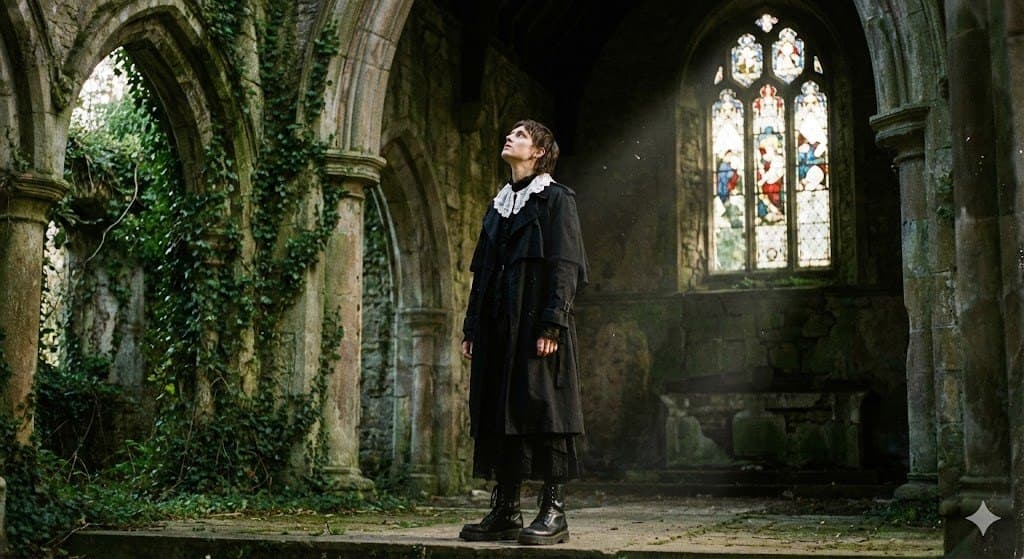
The New Gothic: Why 2026’s Pop Stars Are Obsessed with Mortality, God, and Decay
Latest News
7 min read
Latest News

LyricsWeb Cultural Critic
There is a specific feeling haunting the charts right now. It’s not sadness, exactly. It’s something heavier. It’s the sound of a church organ played in an abandoned warehouse. It’s lyrics that whisper about blood, rot, and redemption. If pop music in the early 2020s was about "good vibes" and self-care, the sound of 2026 is a funeral procession dressed in high fashion.
We are witnessing the rise of "The New Gothic." This isn't just about wearing black eyeliner or listening to The Cure (though, respect to the elders). This is a cultural shift where the biggest artists in the world are rejecting the polished, sanitized look of the digital age in favor of something messy, ancient, and profoundly human.
Why are we suddenly obsessed with decay? Look around. The climate anxiety, the political instability, the feeling that the future was cancelled—Gen Z has taken these existential threats and turned them into an aesthetic.
When you listen to the breakout hits of this winter, you notice the lyrical themes have shifted. We aren't hearing about "clubbing" anymore. We are hearing about mortality. There is a romantic obsession with the idea of the "beautiful death"—a concept that poets like Keats or Baudelaire would have recognized instantly. It’s the idea that there is beauty in things falling apart.
Take the current wave of "Southern Gothic" pop, spearheaded by the lingering influence of Ethel Cain. It reimagined the American Dream as a nightmare, filled with rusted trucks, religious trauma, and cannibalism. It taught a generation that it’s okay to be haunted. In fact, it’s stylish.
On the other side of the spectrum, we have the chaotic, vampiresque energy coming out of the rap scene. The aesthetic popularized by Playboi Carti’s Opium label has fully matured in 2026. It’s aggressive, it’s dark, and it borrows heavily from the visual language of classic horror movies and 90s black metal.
But strip away the distorted bass and the mosh pits, and look at the lyrics. They are surprisingly nihilistic. They speak to a numbness, a desire to feel something intense in a world that feels increasingly numb. It’s Goth for the ADHD generation—fast, violent, and deeply stylish.
Perhaps the strangest element of this trend is the return of religious iconography. Crosses are everywhere. Not as a symbol of faith, but as a symbol of suffering and sacrifice. Pop stars are staging music videos that look like Renaissance paintings of martyrs.
Why? Because in a secular, digital world, "God" represents the ultimate mystery. It represents something bigger than the algorithm. Singing about sin and salvation feels weighty. It feels permanent. And in an era of disposable TikTok trends, permanence is the ultimate luxury.
This "New Gothic" isn't depressing; it’s clarifying. It’s an admission that life is fragile and weird. When an artist sings about being buried in their hometown, or loving someone until their bones turn to dust, they are cutting through the noise of toxic positivity.
So, put on your headphones and let the darkness in. It’s not a phase. It’s just the sound of a generation looking at the abyss and deciding to dance with it.
0/5.0 - 0 Ratings
Loading comments...