The Bridge is Back: How 2026 Resurrected Pop’s Most Euphoric Moment
Latest News
5 min read

Latest News
LyricsWeb Music Theory Desk
For a terrifying moment in the early 2020s, it looked like the "Bridge" was extinct. Under the tyranny of the "2-minute streaming track," songs became loops: Verse, Chorus, Verse, Chorus, End. There was no time for a middle-eight. There was no time for the crescendo. The algorithm demanded brevity.
But if the charts in January 2026 tell us anything, it’s that the audience is starving for drama. We don’t just want a hook; we want the scream-along moment. We want the breakdown. We want the Bridge.
We can trace this revival back to the seismic impact of Olivia Rodrigo. When she released drivers license, the world didn't lose its mind over the chorus—it lost its mind over the bridge. That specific moment of acceleration proved that Gen Z listeners weren't afraid of complexity; they were craving emotional release.
Fast forward to 2026, and this structure has become the gold standard. Look at the meteoric rise of Chappell Roan. Her entire discography is built on theatrical, explosive bridges that force you to stop whatever you are doing and sing. It’s a rejection of "background music." You can’t ignore a song like Red Wine Supernova; you have to participate in it.
Of course, you can't talk about bridges without bending the knee to Taylor Swift. She kept the art form alive when everyone else was abandoning it. Tracks like Cruel Summer became delayed hits specifically because of their bridge. Now, newer artists like Sabrina Carpenter and Gracie Abrams are following that blueprint, creating songs that are essentially vehicles to get us to that 2:30 mark where the melody shifts and the lyrics get desperate.
This trend isn't happening in a vacuum. As we reported yesterday in our analysis of The Anti-Drop Movement, listeners are tired of instant gratification. They are willing to wait. The resurgence of physical formats, discussed in our piece on The Jewel Case Revenge, forces people to listen to albums in full again. When you're not skipping tracks, you appreciate the architecture of a song. You appreciate the build-up.
The bridge isn't just for breakup songs; it's for anger, too. It’s the part of the song where the "polite" mask falls off. We saw this raw energy just this week on a massive scale. When Bruce Springsteen took the stage in Red Bank to deliver his searing anti-ICE plea, he channeled that same structural intensity. He wasn't just singing a melody; he was building a narrative arc that demanded a climax. That is the power of a bridge—it takes a song from a statement to a story.
Consequently, the "Fade-Out" ending is dead. In 2026, songs end with a bang. Artists like Billie Eilish and FINNEAS are writing songs that crash into walls rather than drift away. It feels more honest. It feels more like life.
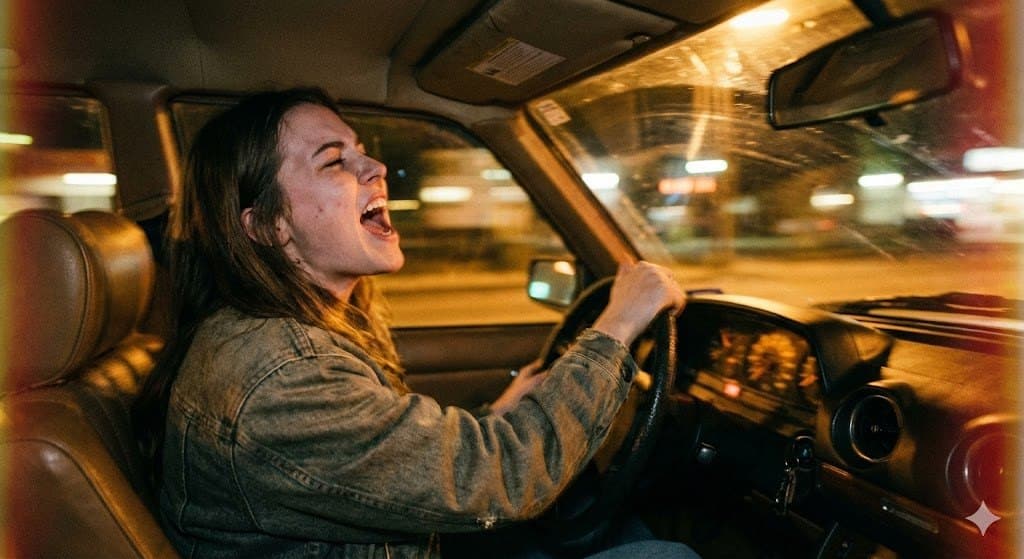
So, the next time you're in your car and the song shifts gears, the drums kick in double-time, and the singer starts shouting—don't check your phone. Just scream along. The bridge is back, and it’s the best part of the ride.
0/5.0 - 0 Ratings
Loading comments...